
How GC Series Jaw Crusher Supports Hard Rock Primary Crushing
2026-08-18
Primary crushing is the first step in a quarry, aggregate or mining production line. Once this stage is unstable, the whole process can be affected — from secondary crushing and screening to final product size and daily output.
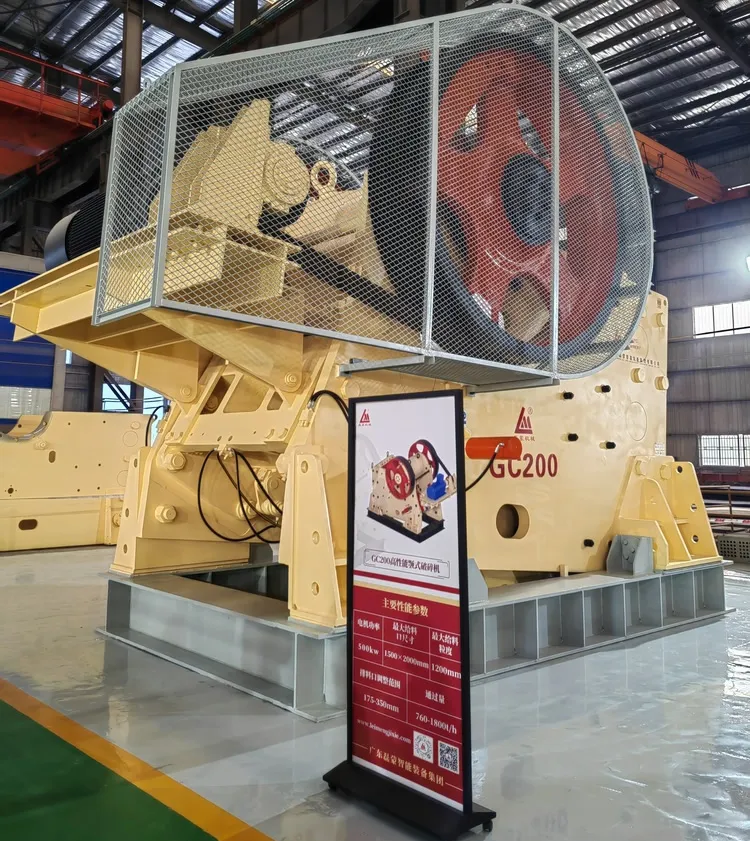
The Leimeng GC Series jaw crusher is designed for this first-stage crushing work. It is used to process large feed material before cone crushing, impact crushing, screening or sand making. With a large feed opening, deep crushing chamber and strong frame structure, the GC Series is suitable for hard rock and high-capacity primary crushing applications.
The largest GC model supports a feed opening of up to 2000×1500 mm, with single-machine capacity reaching up to 2,000 t/h, depending on material type, feed size and site conditions. For clients working with granite, basalt, river pebble, metal ore or other demanding materials, the GC Series provides a practical primary crushing option for both new production lines and capacity expansion projects.
According to the United Nations, 68% of the world’s population is projected to live in urban areas by 2050, which will continue to drive demand for roads, housing, bridges and other infrastructure. Crushed stone is also described by the U.S. Geological Survey as a major basic raw material for construction, agriculture and industry. For quarry and mining producers, this means the crushing line must deliver stable output, controlled wear and lower long-term operating cost.
What Makes GC Series Jaw Crusher Different?
The GC Series is not positioned as a general light-duty crusher. It is built for primary crushing, especially where the feed material is large, hard or abrasive.
1. Large Feed Opening for Coarse Material
In primary crushing, feed size is one of the first factors to check. If the crusher opening is too small, oversized rocks may cause blockage, unstable feeding or additional pre-processing work.
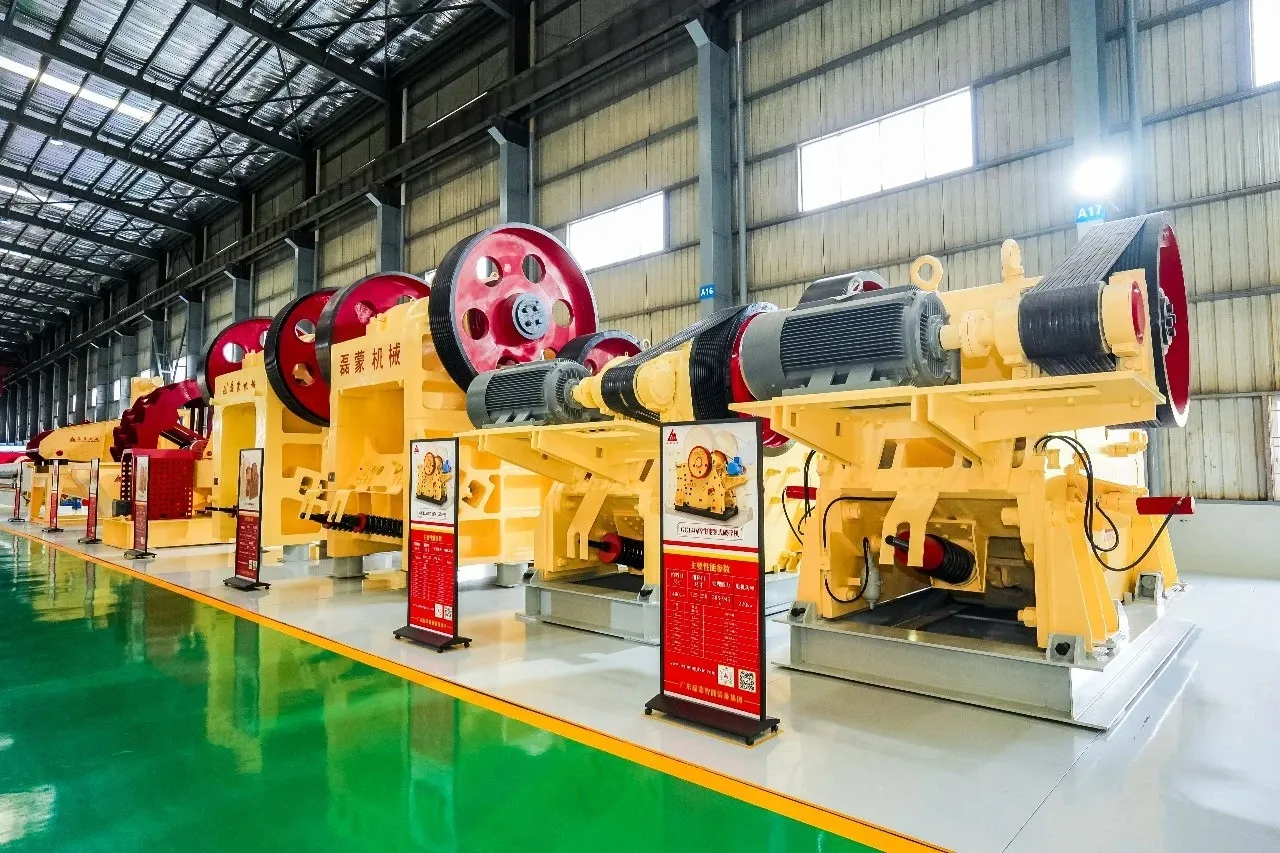
The GC Series covers multiple models, including GC80, GC96, GC106, GC110, GC125, GC140, GC150, GC160 and GC200. This model range allows the crusher to be matched with different feed sizes, capacities and plant layouts.
2. Deep Crushing Chamber for Stable Throughput
A deep crushing chamber helps material move through the crusher more smoothly. For quarry and mining applications, this is important because unstable primary crushing can increase downstream load and reduce overall plant efficiency.
The GC Series is designed to support continuous coarse crushing, helping the production line maintain a more stable feed flow to the next stage.
3. Strong Frame for Heavy-Duty Operation
Primary jaw crushers often work under strong impact and compression forces. A high-strength frame helps the crusher handle long working hours and heavy-duty material conditions.
For hard rock plants, frame strength is not only a structural detail. It affects long-term stability, vibration control, maintenance frequency and overall cost per ton.
4. Compound Pendulum Crushing Principle
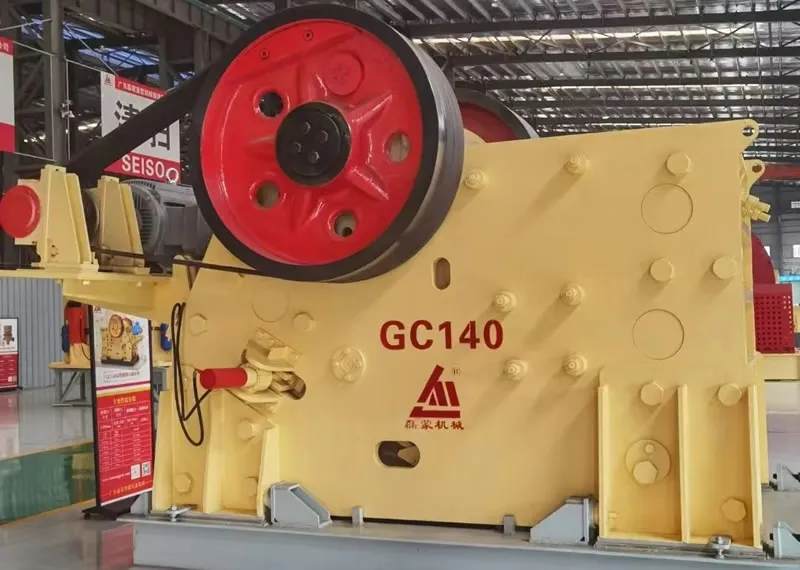
The GC Series uses a compound pendulum jaw crusher structure. During operation, the moving jaw compresses the material against the fixed jaw. The material is crushed as it moves downward through the chamber and is discharged once it reaches the required size.
This compression crushing method is suitable for hard and abrasive materials where stable coarse crushing is required.
What Materials Are Suitable for GC Jaw Crusher?
The GC Series jaw crusher is suitable for medium-hard to hard materials commonly used in quarry, aggregate and mining projects.
| Material | Application Direction |
| Granite | Hard rock aggregate production |
| Basalt | Road aggregate and infrastructure aggregate |
| River pebble | Sand and aggregate production |
| Iron ore | Metal mining coarse crushing |
| Copper ore | Mining crushing process |
| Dolomite | Quarry and construction aggregate |
| Limestone | Cement raw material and aggregate production |
| Cement raw materials | Cement plant crushing system |
For granite, basalt and river pebble, jaw crusher is usually a safer primary crushing choice because these materials are hard and abrasive. For limestone projects, the final choice between jaw crusher and impact crusher should depend on feed size, abrasiveness, required product shape and operating cost.
When Should You Choose GC Jaw Crusher?
GC Series jaw crusher is more suitable when the project has one or more of the following conditions:
- The raw material is hard or abrasive.
- The feed size is large.
- The production line requires stable primary crushing.
- The project needs a crusher before cone crushing or screening.
- The client wants to reduce downstream pressure.
- The plant requires long working hours and reliable operation.
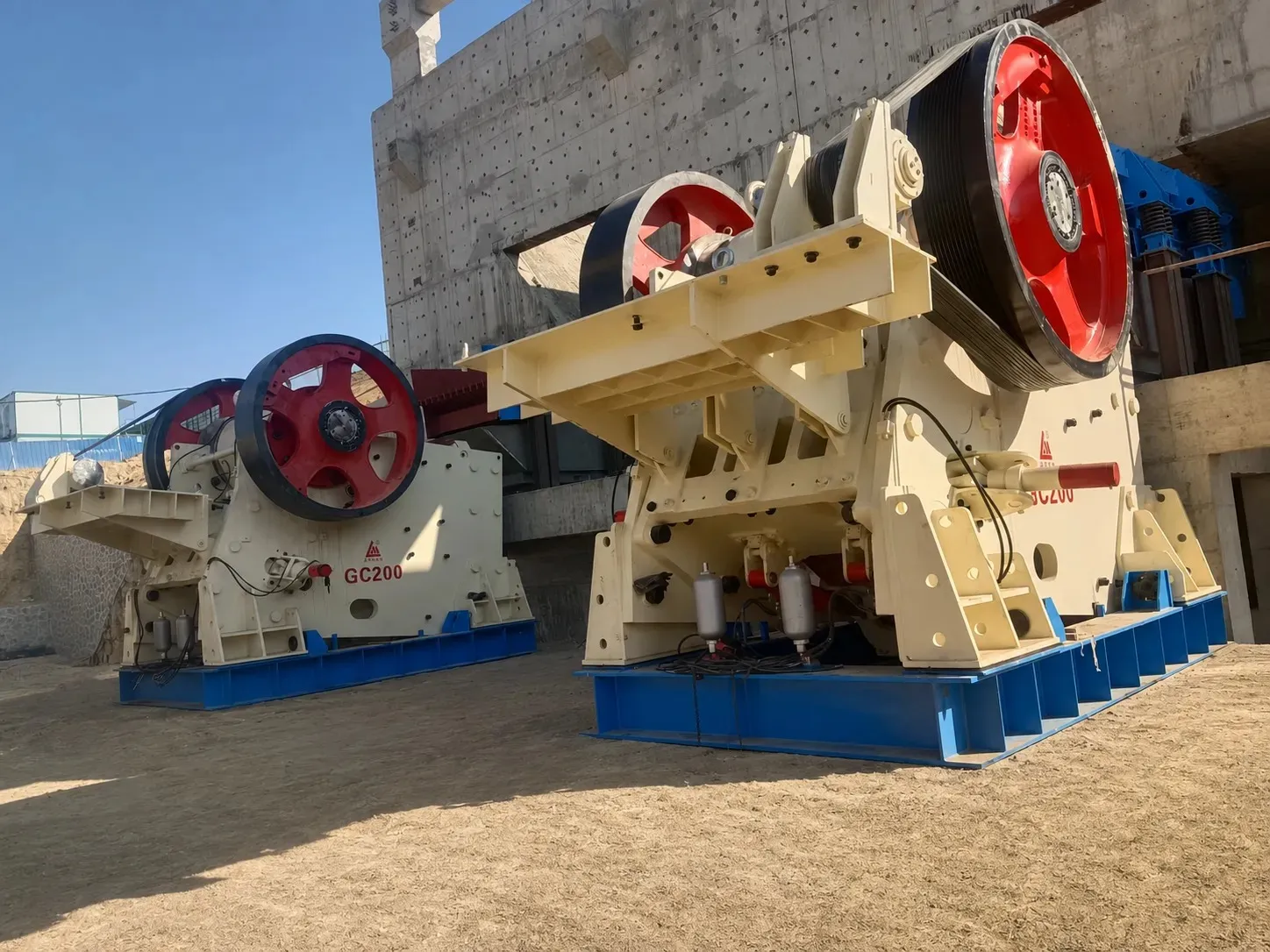
- The project may need fixed, tracked mobile or modular crushing solutions.
If the raw material is soft and low-abrasive, such as some limestone applications, an impact crusher may also be considered. However, if the material is hard rock or the site requires stable coarse crushing, GC jaw crusher is usually a more practical option.
GC Jaw Crusher vs Primary Impact Crusher: How to Choose
One useful way to select primary crushing equipment is to start with the material, not the machine.
| Selection Factor | GC Jaw Crusher | Primary Impact Crusher |
| Crushing method | Compression crushing | Impact crushing |
| Best for | Hard and abrasive rock | Soft to medium-hard, low-abrasive material |
| Typical materials | Granite, basalt, river pebble, metal ore | Limestone, gypsum, some recycled material |
| Product shape | Usually needs secondary crushing or shaping | More cubical product in suitable materials |
| Wear cost | More stable for abrasive hard rock | Higher wear risk with abrasive material |
| Typical process | Feeder + jaw crusher + cone crusher + screen | Feeder + impact crusher + screen |
| Best use case | Heavy-duty hard rock primary crushing | Limestone and low-abrasive primary crushing |
For a hard rock aggregate plant, a common configuration is:
Vibrating feeder + GC jaw crusher + cone crusher + vibrating screen
For a limestone aggregate plant, the configuration may be:
Vibrating feeder + jaw crusher or impact crusher + vibrating screen
For manufactured sand production, the GC jaw crusher may be used before:
Cone crusher + VSI sand maker + vibrating screen + sand washing system
How to Choose the Right GC Jaw Crusher Model
Before recommending a GC jaw crusher model, Leimeng usually needs to confirm several project details.
| Information Needed | Why It Matters |
Raw material |
Determines crusher type and wear part selection |
Maximum feed size |
Decides feed opening and model size |
Required capacity |
Affects crusher model, motor power and line design |
Final product size |
Determines secondary crushing and screening plan |
Hardness and abrasiveness |
Affects jaw plate wear and operating cost |
Moisture content |
May affect feeding and blockage risk |
Site layout |
Affects feeder, conveyor and maintenance space |
Mobility requirement |
Decides fixed, tracked mobile or modular solution |
Downstream equipment |
Determines whether cone crusher, impact crusher or VSI is needed |
The right model should not be selected only by capacity. Feed size, material properties, discharge requirement, installation space and the downstream process all need to be considered together.
GC Jaw Crusher in Fixed, Tracked and Modular Crushing Solutions
The GC Series can be used as the primary crushing unit in different plant configurations.
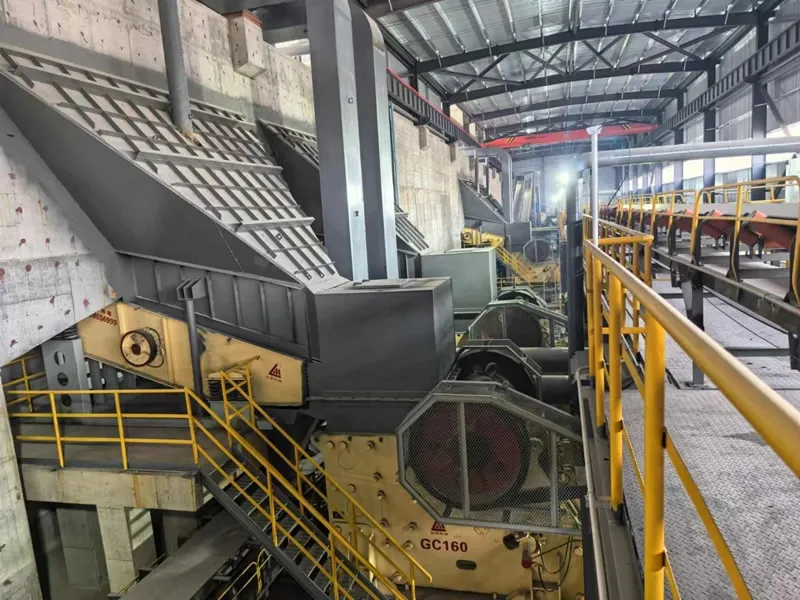
Fixed Crushing Lines
For long-term quarry and mining production, GC jaw crusher can be installed in a fixed crushing line together with feeder, cone crusher, vibrating screen and conveyor system. This is suitable for stable, high-volume aggregate production.
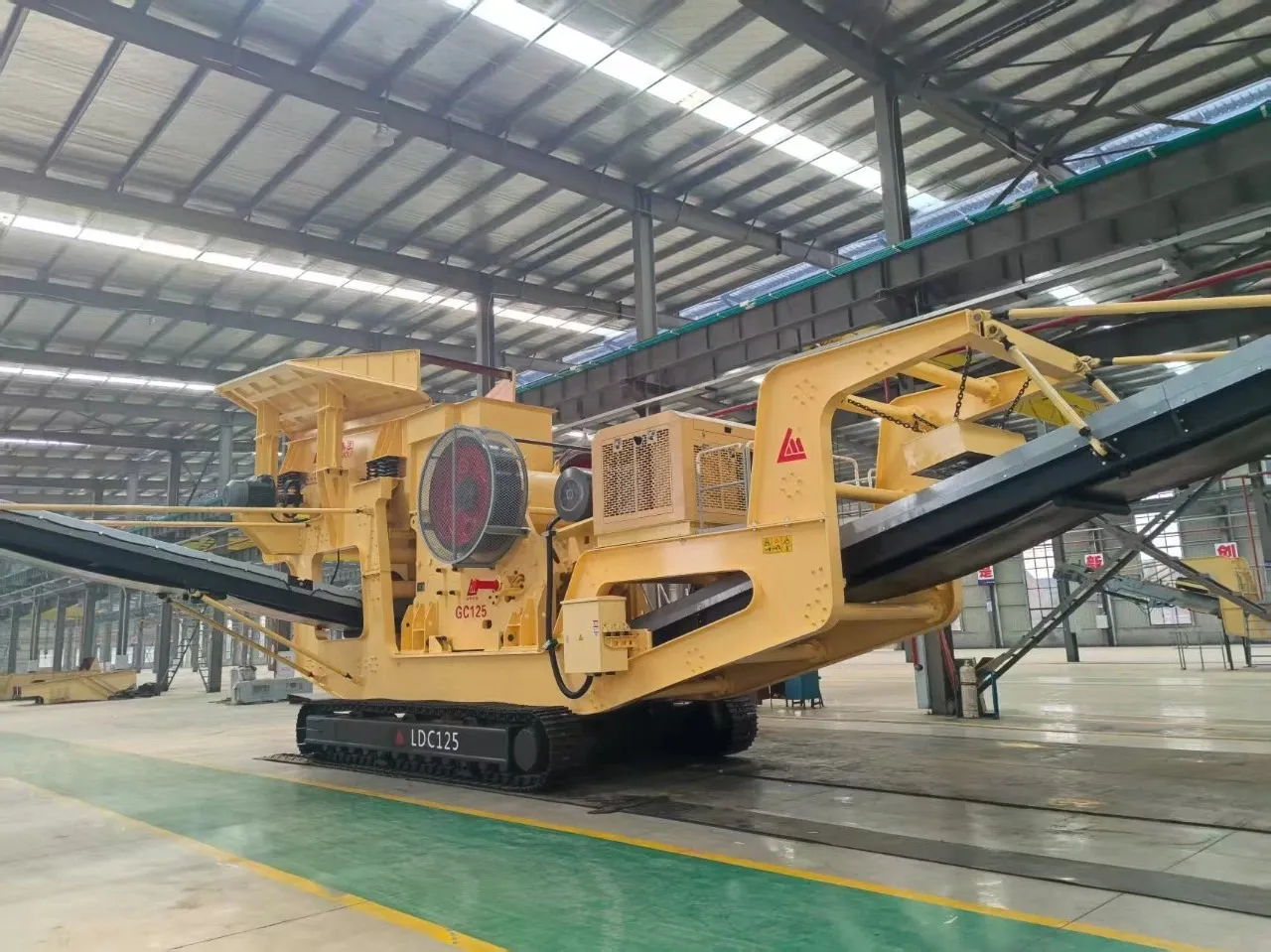
Tracked Mobile Crushing Plants
GC jaw crusher can also be integrated into Leimeng tracked mobile crushing plants. This option is suitable for projects requiring flexible movement, faster setup and easier relocation between working sites.
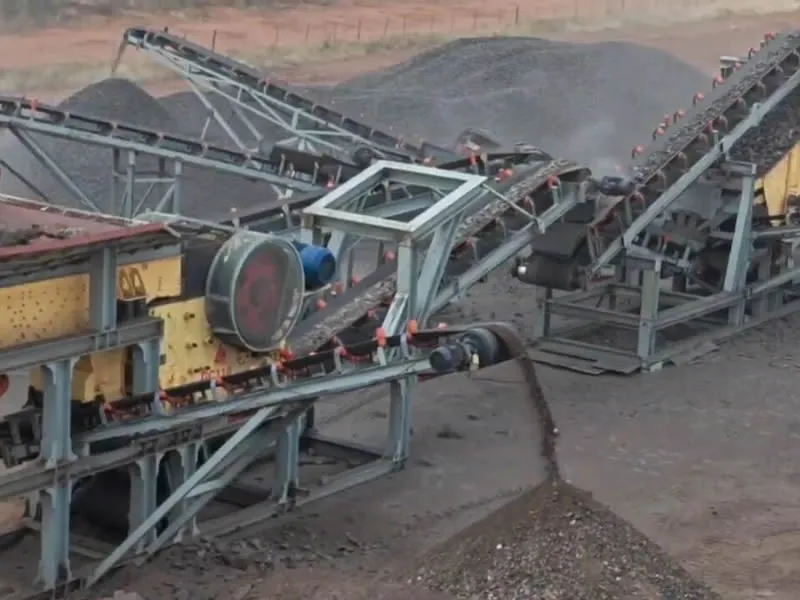
Modular Crushing Stations
For projects that need faster installation and a more flexible layout than traditional fixed plants, GC jaw crusher can be adapted to Leimeng modular crushing stations. This helps clients build a practical crushing system according to site conditions and project duration.
Maintenance and Life-Cycle Cost
For quarry and mining operators, the purchase price of a crusher is only one part of the cost. Long-term operation depends more on uptime, wear part life, maintenance convenience and production stability.
When evaluating a GC jaw crusher, clients should consider:
- Jaw plate replacement convenience
- Lubrication access
- Inspection space
- Frame strength
- Bearing and eccentric shaft reliability
- Wear part life
- Downtime during maintenance
- Long-term cost per ton
Since the primary crusher is located at the beginning of the line, any downtime may affect the whole crushing and screening process. This is why maintenance access and service planning should be considered during model selection.
Why Choose Leimeng GC Series Jaw Crusher?
The Leimeng GC Series is suitable for clients who need a primary crusher for hard rock, aggregate and mining applications.
Key advantages include:
- Feed opening up to 2000×1500 mm
- Single-machine capacity up to 2,000 t/h, depending on operating conditions
- Multiple models from GC80 to GC200
- Suitable for granite, basalt, river pebble and metal ores
- Deep crushing chamber for stable throughput
- Strong frame structure for heavy-duty operation
- Can be used in fixed, tracked mobile and modular crushing solutions
- Engineering support for crusher selection and complete line configuration
Leimeng does not recommend a crusher only by model name. The right solution should be based on the client’s material, feed size, target capacity, final product requirement and site layout.
FAQ
What is GC Series jaw crusher used for?
GC Series jaw crusher is used for primary crushing in quarry, aggregate and mining projects. It reduces large rocks or ores before secondary crushing, screening or sand making.
Is GC jaw crusher suitable for hard rock?
Yes. GC jaw crusher is suitable for hard and abrasive materials such as granite, basalt, river pebble, iron ore and copper ore.
What is the maximum capacity of the GC Series?
The largest GC model can reach up to 2,000 t/h single-machine capacity, depending on material type, feed size and site conditions.
Can GC jaw crusher be used in mobile crushing plants?
Yes. GC jaw crusher can be integrated into Leimeng tracked mobile crushing plants and modular crushing stations when the project needs flexible configuration.
How do I choose the right GC jaw crusher model?
The model should be selected based on raw material, maximum feed size, required capacity, final product size, hardness, abrasiveness, site layout and downstream equipment.
Is GC jaw crusher better than impact crusher?
It depends on the material. GC jaw crusher is usually more suitable for hard and abrasive materials. Impact crusher may be more suitable for softer and lower-abrasive materials such as some limestone applications.
Can Leimeng provide a complete crushing line?
Yes. Leimeng can provide feeder, GC jaw crusher, cone crusher, impact crusher, vibrating screen, conveyor, VSI sand maker, sand washing equipment and complete crushing and screening solutions.
What information should I provide for a quotation?
To recommend a suitable GC jaw crusher or complete line, Leimeng usually needs the raw material, maximum feed size, required capacity, final product size, site location and whether fixed, tracked mobile or modular configuration is required.
Conclusion
GC Series jaw crusher is more than a general primary crusher. It is a core crushing unit for hard rock quarry, aggregate and mining projects.
For clients processing granite, basalt, river pebble or metal ore, the right GC jaw crusher can help stabilize primary crushing, reduce downstream pressure and support long-term plant operation.
When selecting a crusher, the starting point should not be only the model or price. The real selection should consider material hardness, feed size, target capacity, final product requirement, site layout and the complete crushing process.
Leimeng Group can support clients with GC jaw crusher selection, fixed crushing line configuration, tracked mobile crushing plant integration and modular crushing station solutions.