
Crushing Plant Capacity: 6 Reasons for Low Output
2026-10-26
Your crushing plant is running, but the finished aggregate output is below target. Do you need a bigger crusher?
Not always. Uneven feeding, blocked screen openings or a conveyor that cannot clear the material may be limiting production.
To improve crushing plant capacity, first find the stage that is holding back the line. Here are six areas to check.
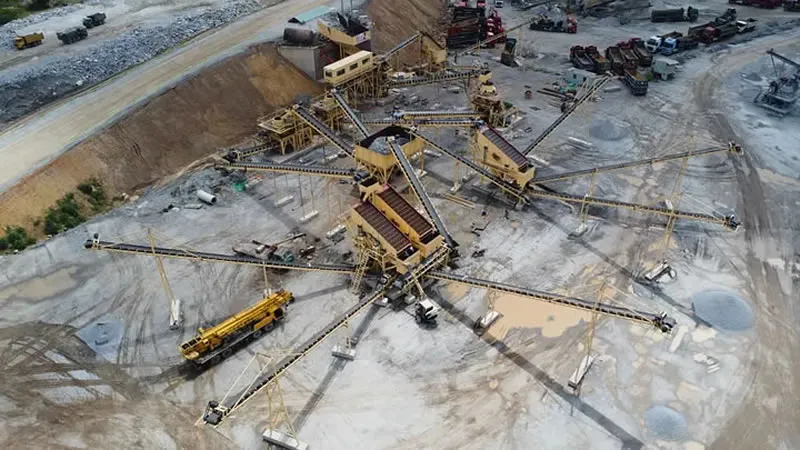
Before You Start: Compare the Right Numbers
Check whether the stated capacity means raw material processed or finished aggregate produced. These figures are not always the same.
Also, separate hourly output from daily production. A plant may reach its hourly target while running steadily but miss its daily target because it stops too often.
1. The Crusher Is Not Receiving a Steady Feed
If the crusher frequently runs short of material, part of its available capacity goes unused. Sudden surges can create the opposite problem by overloading the next stage.
Check truck delivery intervals, hopper blockages and feeder operation. Large rocks can also interrupt flow if they exceed the equipment’s feed limits.
What to check first: Does the crusher receive a consistent supply of suitable material?
The right feed rate depends on the crusher and the equipment after it. Simply increasing feeder output may cause problems further down the line.
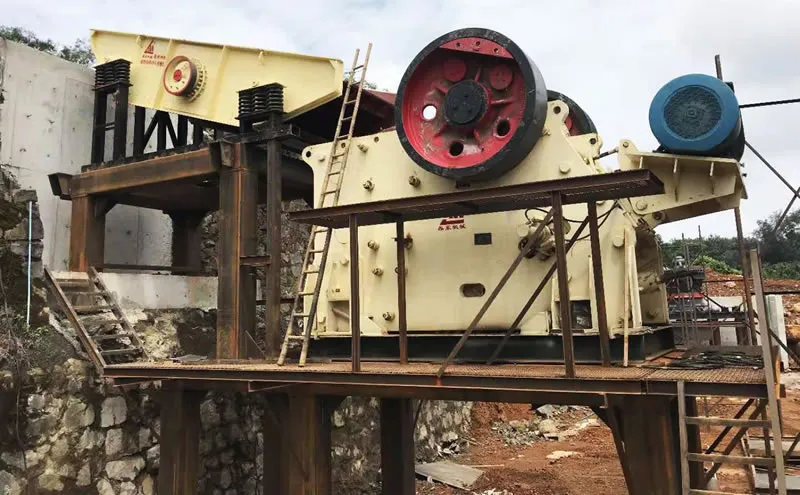
2. The Actual Rock Differs From the Original Plan
Rock from the same quarry can change as extraction moves to a new area.
Differences in strength, feed size, moisture and clay content can affect production. For example, wet, sticky material may block screen openings or build up inside chutes.
What to check first: Has the material changed since the plant was selected or since output started falling?
Provide representative material samples and feed-size information when reviewing crusher feed size and capacity. A rock name alone does not describe all the conditions the plant must handle.
3. Crusher Settings Do Not Match the Production Requirements
For jaw and cone crushers, the discharge setting affects throughput and the size distribution of the crushed material.
A smaller setting generally produces finer material, but it may reduce throughput. A larger setting may increase crusher throughput while sending more oversized material back for another pass.
The discharge setting is not a guarantee of the final product size. Screening is also needed to separate the required sizes.
What to check first: Do the current settings, crushing chamber and wear condition suit the feed and required products?
Make adjustments within the manufacturer’s operating limits and check their effect on the whole line.
Leimeng’s crushing equipment includes PE and GC series jaw crushers, HPY multi-cylinder hydraulic cone crushers and DS single-cylinder hydraulic cone crushers. Selecting a suitable model starts with the material, feed size, target output and required finished sizes. The next step is to match it with the feeding, screening and conveying equipment so the line can handle the planned material flow.
4. The Screen Is Not Separating Material Effectively
A screen separates crushed stone into different sizes. In a typical closed crushing circuit, material above the target size is returned for further crushing.
If screen openings become blocked or the material layer is too deep, some particles smaller than the openings may not pass through. In a closed circuit, these particles can return to the crusher even though they do not need further size reduction.
What to check first: Are the screen openings clear, and is material spread evenly across the screen?
Screen capacity depends on the required separation and material conditions. Machine dimensions alone do not tell you how much material a screen can handle.
When a client plans to upgrade a crusher, Leimeng can also review the existing screens and conveyors. This helps assess whether the rest of the line can handle the increased material flow.
5. Too Much Material Is Returning to the Crusher
Return material is normal in a closed-circuit plant. However, it uses part of the available crushing, screening and conveying capacity.
As a simplified example, if 200 t/h of new material combines with 100 t/h of return material, equipment carrying that combined stream must handle 300 t/h. This does not mean the plant produces 300 t/h of finished aggregate.
What to check first: Has return flow increased without an increase in finished output?
Review crusher discharge size and screen performance together. Do not assume that all return material is caused by a crusher problem.
6. Material Handling and Stoppages Reduce Production
A restricted chute or a conveyor with insufficient capacity can force operators to slow down upstream equipment.
Repeated stops also reduce daily production. Belt mistracking, spillage and delays in replacing worn parts can all interrupt the line.
What to check first: Where does material build up, and what causes the longest or most frequent stops?
Keep a simple record of operating hours, finished output and stoppage reasons. This helps distinguish a capacity restriction from lost production time.
What Should You Check Before Buying More Equipment?
Start with four questions:
- Is the feed steady?
- Where does material build up?
- Is return flow increasing?
- How much time is lost to stoppages?
A larger crusher can help when crushing is the confirmed limiting stage. It will not solve a blocked screen or an undersized conveyor.
Plan Your Crushing and Screening Line With Leimeng Group
Whether you are building a new aggregate plant or reviewing an existing line, the equipment needs to match your material and production requirements.
Leimeng Group supplies jaw crushers, cone crushers, impact crushers, VSI sand makers, vibrating screens, feeders and conveyors. Our team can help assess equipment selection and process layout for complete crushing and screening plants.
For a new project, send us:
- Rock type and maximum feed size
- Target capacity in tonnes per hour
- Required finished product sizes
- Available site space and any washing requirements
For an existing plant, also share your equipment list, current output and the main problem you want to solve. Site photos or videos help us understand how material moves through the line.
With this information, we can discuss whether the next step is an operating adjustment, a change to the process or additional equipment.
Planning a project or dealing with low output? Contact Leimeng Group with your production requirements.
FAQ
How can I improve crushing plant output?
Find the limiting stage first. Check feeding, material changes, crusher settings, screening, return flow and stoppage records before deciding what to change.
Will a bigger crusher increase production?
It may, if the crusher is the main bottleneck, the feed supply is sufficient and steady, and the screens and conveyors can handle the additional material.
Why does output sometimes drop after rain?
Higher moisture, especially in material containing clay or fines, can cause screen blockages and material buildup. The effect depends on the material and the plant’s process.